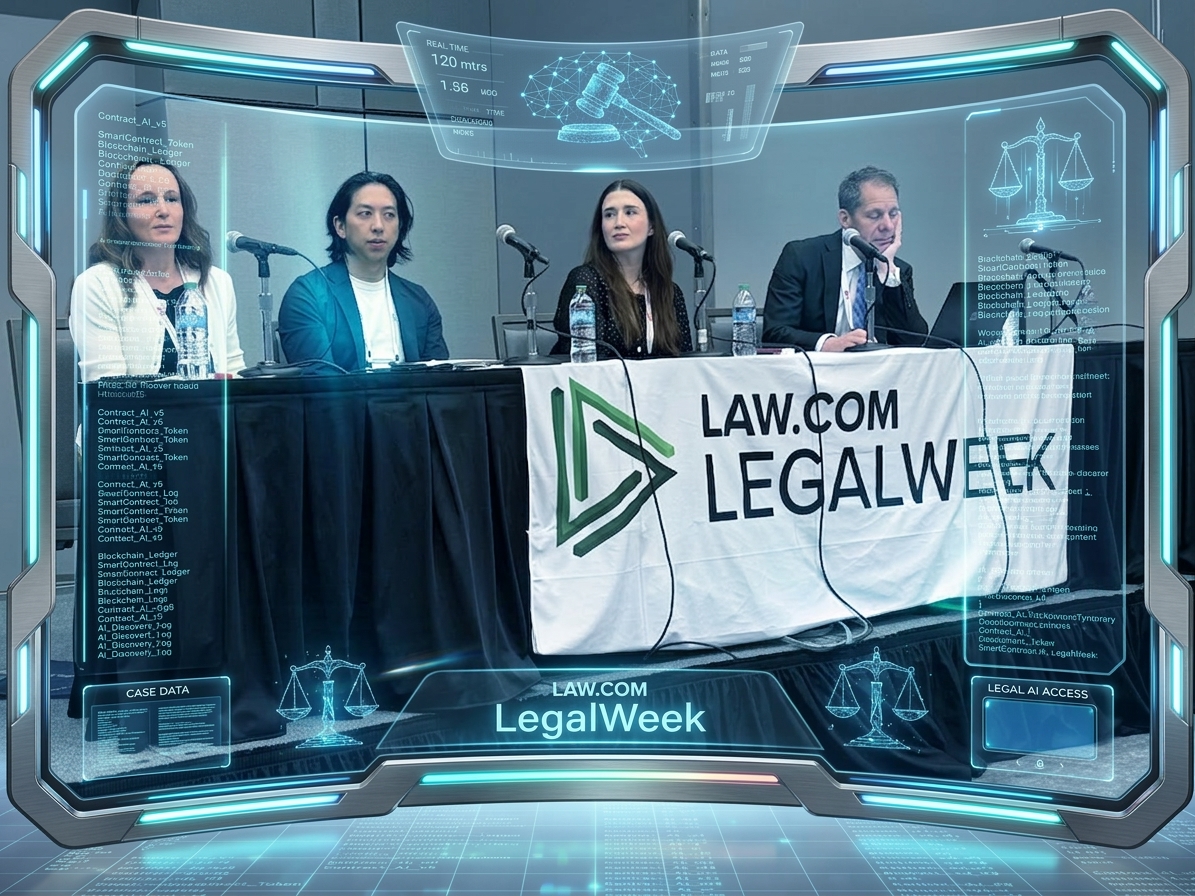
LegalWeek 2026 agentic AI panel with holographic workflow diagrams
    LegalWeek 2026 Field Report

    We Gave a 12-Year-Old a Shotgun and Said "Figure It Out"

    Inside Legalweek's Most Honest Panel on Agentic AI

    Four of the sharpest minds in legal AI told a packed room of attorneys exactly how unprepared we all are for what's coming — and why that should terrify and excite us in equal measure.

    Matthew A. Mishak

    Matt Mishak, Esq.

    Founder & CEO, LegalTek.ai

    20 min readMarch 11, 2026Filed from Legalweek New York 2026 — Javits Center

    Panelists

    Ethan Wong

    Product Counsel, Anthropic

    Kassi Burns

    Counsel, King & Spalding

    John Rosenthal

    Partner, Shook Hardy & Bacon

    Julie Chapman

    Moderator, LexisNexis

    LegalWeek 2026 AI Agents 101 panel — Julie Chapman (LexisNexis), Ethan Wong (Anthropic), Kassi Burns (King & Spalding), and John Rosenthal (Shook Hardy & Bacon)

    The AI Agents 101 panel at LegalWeek 2026 — (L-R) Julie Chapman, Ethan Wong, Kassi Burns, and John Rosenthal

    That's how one panelist described where the legal profession stands with AI right now. Not the polished, aspirational version you'll hear from most vendor booths on the exhibit floor. The real version. The one where four of the sharpest minds in legal AI sat down and, for sixty minutes, told a packed room of attorneys, legal ops professionals, and technologists exactly how unprepared we all are for what's coming.

    The panel, moderated by Julie Chapman, Head of Legal for North America at LexisNexis, featured Ethan Wong, Product Counsel at Anthropic; Kassi Burns, Counsel at King & Spalding; and John Rosenthal, Partner at Shook Hardy & Bacon. The session was part of Legalweek's AI Agents and Automation track.

    Forget "AI Agent." Think Workflows.

    The panel opened with a deceptively simple question: What is agentic AI?

    Ethan Wong of Anthropic broke it into two categories. The first is workflow-based agents — systems that follow prescribed rules. If X happens, then do Y. The second is autonomous agents — systems that exercise independent judgment when given a general task without specific rules. Most of what the legal industry is calling "agentic AI" right now, Wong explained, falls squarely in the first bucket.

    The Orchestration Metaphor

    Kassi Burns brought a musician's sensibility to the definition, framing agentic AI as orchestration. "It's not one model doing everything," she said. "It's multiple foundation models, each handling a sub-component of a larger workflow, with an orchestration layer managing the whole process."

    Then John Rosenthal went off-script in the best possible way. "There's a lot of market confusion created by a lot of marketing," he said, cutting through the noise. He walked the audience through the actual state of the technology: we're at the very front end, still stuck at the prompt window, with agents that are "rather simplistic." But the trajectory? "In the next two to three years," Rosenthal predicted, the industry will move from single-prompt systems to multi-agent workflows that are pre-built and ready to deploy.

    His morning workflow vision was compelling: press a button, say "good morning, launch my BD," and have ten different agents pull from news sources, case law databases, and Wall Street Journal articles to produce a personalized business development briefing with actionable next steps.

    Burns took it even further: "You could have it monitor you as you sleep, and maybe it will make some assessment… you're going to adjust what gets delivered." The room laughed, but nobody dismissed it.

    The Weekend Warriors Are Building the Future

    Perhaps the most actionable part of the session was the panelists' candid discussion of how they're personally experimenting with these tools — not in their professional capacity, but on their own time.

    Rosenthal's 90-Minute Builds

    A senior partner at an Am Law firm, Rosenthal spends his weekends building agentic workflows. Two weeks before the panel, he built a case law update agent in ninety minutes that scans legal resources and produces daily summaries. The week before Legalweek, he created an agent that scans his mailbox and desktop to auto-generate timesheets, complete with import links to the firm's billing system.

    Burns on Zapier and Cognitive Rewiring

    Burns shared her experience building automated workflows that monitor specific YouTube creators and send email summaries when certain topics are discussed. She emphasized that the exercise isn't just about the output — it rewires how you think. "It forces your brain to work a little bit differently, because it does force you to break things off into components."

    Wong's Restaurant Reservation Agent

    Wong shared the example of a friend in finance who coded a restaurant reservation agent over a single weekend using Claude Code — a system that monitors for openings at hard-to-book restaurants and pings him when a slot appears. "It didn't work perfectly," Wong admitted, "but that's kind of the space I would love to get to in my personal life."

    The implicit message was unmistakable: if you're waiting for someone to hand you a turnkey agentic solution, you're already behind.

    The Compliance Time Bomb Nobody's Talking About

    Then the conversation turned darker — and, in my opinion, far more important.

    Rosenthal channeled his inner Lost in Space robot: "Danger, Will Robinson." His concern? The proliferation of agents across enterprises without any governance wrapper. We're going to create these agents, he warned, and then nobody will know whether they're up to date. Nobody will know who created the agent. Nobody will know, ten years from now, whether the agent is still compliant. Nobody will know whether there's a privacy violation embedded in it, or whether it's accessing data it shouldn't.

    And it's not just a legal department problem. "Think of our clients," Rosenthal pressed. "They don't make briefs. They make automobiles. They brew beer. They build software. All of the business people are doing the same thing we're doing — saying, 'How do I get an agent to make my life simpler so I can make the product quicker and cheaper?' They're doing the same thing with the same danger."

    ~50%

    of Am Law 100 firms have AI policies in place

    ~0%

    have published AI guidelines for their clients

    Data Hygiene: The Unsexy Foundation

    Burns connected the dots to data hygiene — a foundational issue that nobody finds exciting but that will determine whether agentic systems succeed or become enterprise liabilities. "Garbage in, garbage out" isn't just a cliché when you're chaining together multi-step automated workflows that touch sensitive client data across multiple platforms.

    Deliberate Friction by Design

    Wong, speaking from the product side at Anthropic, added the design perspective. When Claude has access to a user's entire desktop through Cowork, there are intentional friction points built into the experience. Before Claude deletes something, it pauses and asks for confirmation. These aren't bugs in the user experience — they're deliberate guardrails. The question is whether the legal industry will build similar safeguards into their own implementations.

    The Question I Had to Ask

    Full disclosure: I was in the audience, and I couldn't stay silent.

    My question was about the elephant in the room — the gap between where the technology companies want guardrails and where the law actually provides them. We've seen it play out in real-time with the Anthropic-Pentagon FASCSA dispute. Do you let an AI agent make life-or-death decisions? And when the technology is racing ahead of any legislative framework, how do we navigate that void?

    — Matthew A. Mishak, from the audience Q&A

    Rosenthal's answer was characteristically blunt: the providers want legislation because they want a safe harbor. They don't have one. Products liability cases are starting to flow — claims that AI provided harmful medical advice, legal advice, or exposed minors to dangerous content. Without legislative protection, the providers are exposed, and so is every organization deploying their tools.

    His prescription? Go back to policy and training. But not the "paper tiger" version that most organizations currently have. Practical, operational guidance backed by actual compliance infrastructure. And critically, he argued, this work needs to move out of the legal department silo and into compliance.

    The Hallucination Problem Isn't Going Away

    Rosenthal raised what might be the most uncomfortable truth of the entire panel: generative AI can hallucinate up to 50% of the time in certain applications, and we're building agentic platforms on top of that foundation.

    "We're stuck in workflows, and to some extent, we're going to become numb," he said. He drew a parallel to Google's AI-generated search summaries — often inaccurate, yet increasingly treated as authoritative. The legal profession, he warned, will face the same problem at enterprise scale unless firms build validation and backstopping into every agentic workflow.

    Burns agreed, pointing to the promise of an orchestration layer that includes human-in-the-loop escalation points and feedback mechanisms. The question isn't whether to keep humans involved — it's defining how much human oversight is sufficient.

    The Access-to-Justice Paradox

    The panel's final exchange touched on a tension that will define legal AI for the next decade: the unauthorized practice of law versus access to justice.

    Wong noted that Anthropic's usage policy explicitly prohibits Claude from providing legal advice — when asked legal questions, it directs users to consult an attorney. But Rosenthal pointed out that reality is outpacing policy. An OpenAI case just last week found that despite explicit disclaimers, an AI system was effectively providing legal advice.

    Burns raised the access-to-justice angle: for people who can't afford an attorney, AI represents a potential lifeline. But how does that potential benefit coexist with unauthorized-practice-of-law concerns? "We'll have to wait and see," she said. But nobody on the panel seemed confident that the current frameworks are adequate.

    What This Means for Legal Tech Builders

    I left that panel more convinced than ever that what we're building at SilverTung is on the right track. Here's what the panel confirmed:

    Workflow-First Architecture Wins

    Every panelist emphasized thinking in workflows, not tasks. When Wong described Claude's skills system — step one, do this research; step two, look at these cases; step three, pull these facts — he was describing exactly the kind of structured, sub-component approach that SilverTung was designed around from day one.

    Governance Can't Be an Afterthought

    Rosenthal's compliance warnings aren't theoretical — they're operational. This is exactly why we built the COUNSEL framework and the G3M governance model into SilverTung's DNA. When your AI system is producing documents that get filed with a court, 'move fast and break things' is malpractice.

    The Human-in-the-Loop Isn't Going Anywhere

    Wong's description of Anthropic's design philosophy — pausing before destructive actions, asking for confirmation, keeping the user in control — mirrors what we've built with our Tattle-Tale compliance oversight system. The attorney always has the final say. Always.

    Data Quality Is Destiny

    Burns's emphasis on data curation and hygiene validates our data-first approach. When you're pulling financial data, mapping it to court form fields, and feeding it through an AI-driven analysis engine, the quality of that pipeline determines everything downstream.

    The Bottom Line

    We are at the very beginning of a revolution in legal practice. The panelists at Legalweek 2026 were refreshingly honest about that — about the promise, the peril, and the vast gulf between where we are and where we're going.

    The lawyers who will thrive aren't the ones waiting for a perfect, turnkey solution to appear on the exhibit floor. They're the ones spending their weekends — like John Rosenthal — building workflows, testing tools, and figuring out where the failure points are before their clients discover them the hard way.

    The firms that will lead aren't the ones with the flashiest AI announcements. They're the ones building governance frameworks, training their teams, and demanding that their technology partners bake compliance into the product rather than bolting it on after the fact.

    The technology companies that will endure aren't the ones making the boldest claims on their booth banners. They're the ones, like Anthropic, building deliberate friction into their products because they understand that in law, the cost of a mistake isn't a bad user experience — it's a $10,000 sanction, a malpractice claim, or worse.

    Agentic AI is coming for the legal profession.

    The only question is whether we'll be ready.

    From Legalweek 2026, I can tell you: we're not. Not yet. But at least now we know what we're building toward.

    AI Disclosure: This article was human-reviewed but may contain AI-generated elements. Readers are encouraged to conduct their own research and remain skeptical of potential factual errors.

    Matthew A. Mishak

    Matthew A. Mishak, Esq.

    Managing Attorney, Mishak Law LLC | CEO, LegalTek.ai LLC (d/b/a SilverTung)

    Criminal defense attorney, former chief prosecutor, Law Director for the Village of South Amherst, Ohio, and an Attorney Technologist Futurist. Building AI-powered legal practice management for Ohio family law attorneys. Follow his coverage of AI in the legal industry on LinkedIn and at LegalTek.ai.
    Recommended Reads

    Essential Reading for the AI Era

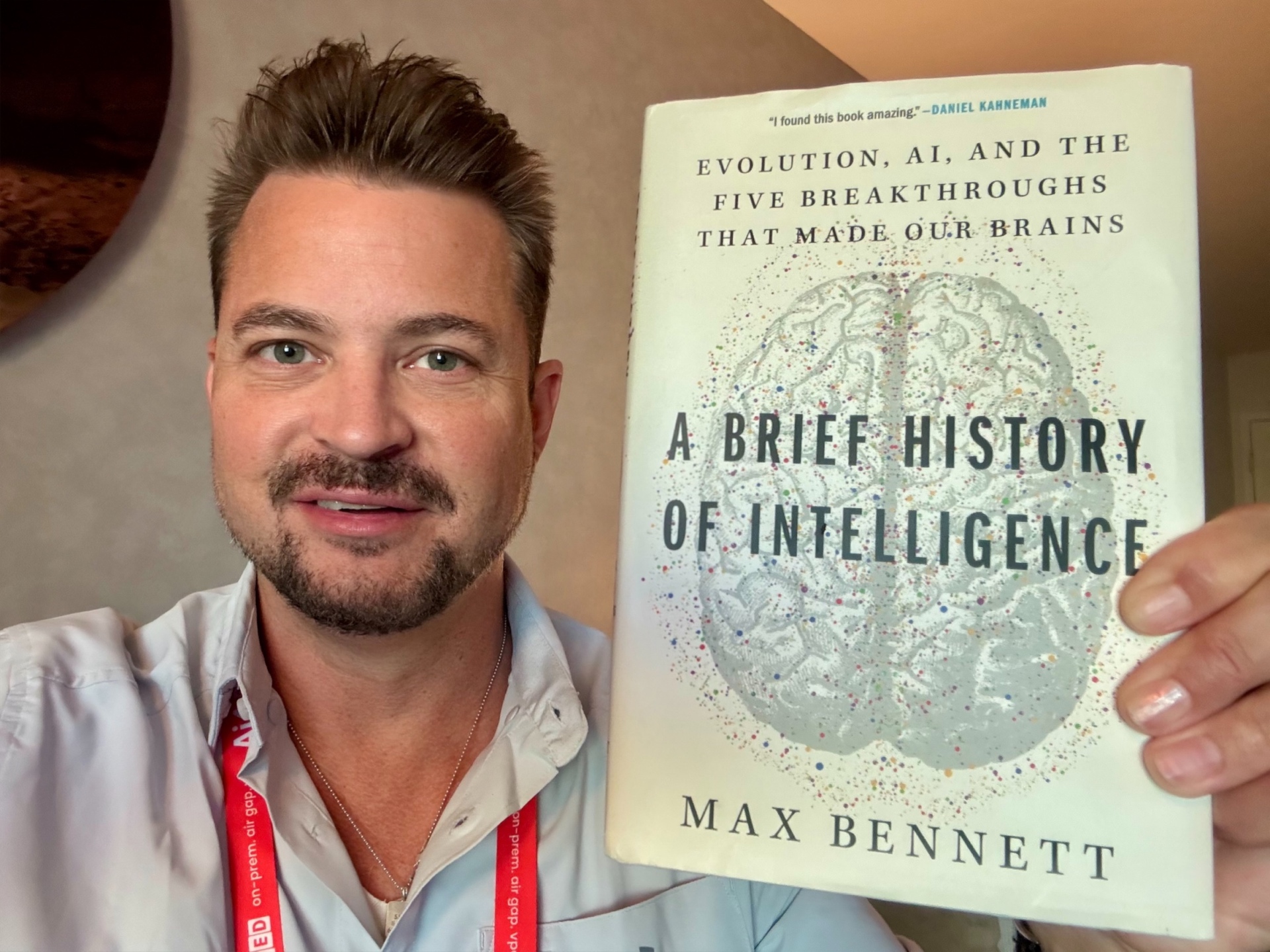
    Matt Mishak with A Brief History of Intelligence by Max Bennett

    A Brief History of Intelligence

    by Max Bennett

    For me, A Brief History of Intelligence wasn't just another science book — it was the most inspiring read of 2025. Max Bennett doesn't merely explain evolution and AI; he illuminates the arc of our cognitive journey from the simplest organisms to the complex minds we carry today and links that journey to the future of artificial intelligence in a way few authors have managed.

    Reading this book felt like a conversation with a brilliant guide who makes both neuroscience and AI feel vivid, urgent, and deeply meaningful. As someone immersed in law and technology, I found Bennett's insights not just informative but transformative — reminiscent of discussions at the Dartmouth Conference itself.

    Get the Book

    Praise from Visionaries

    "I found this book amazing. I read it through quickly because it was so interesting, then turned around and read much of it again."

    — Daniel Kahneman

    Nobel Laureate in Economics

    "I've been recommending A Brief History of Intelligence to everyone I know. A truly novel, beautifully crafted thesis on what intelligence is and how it has developed since the dawn of life itself."

    — Angela Duckworth

    Author of Grit

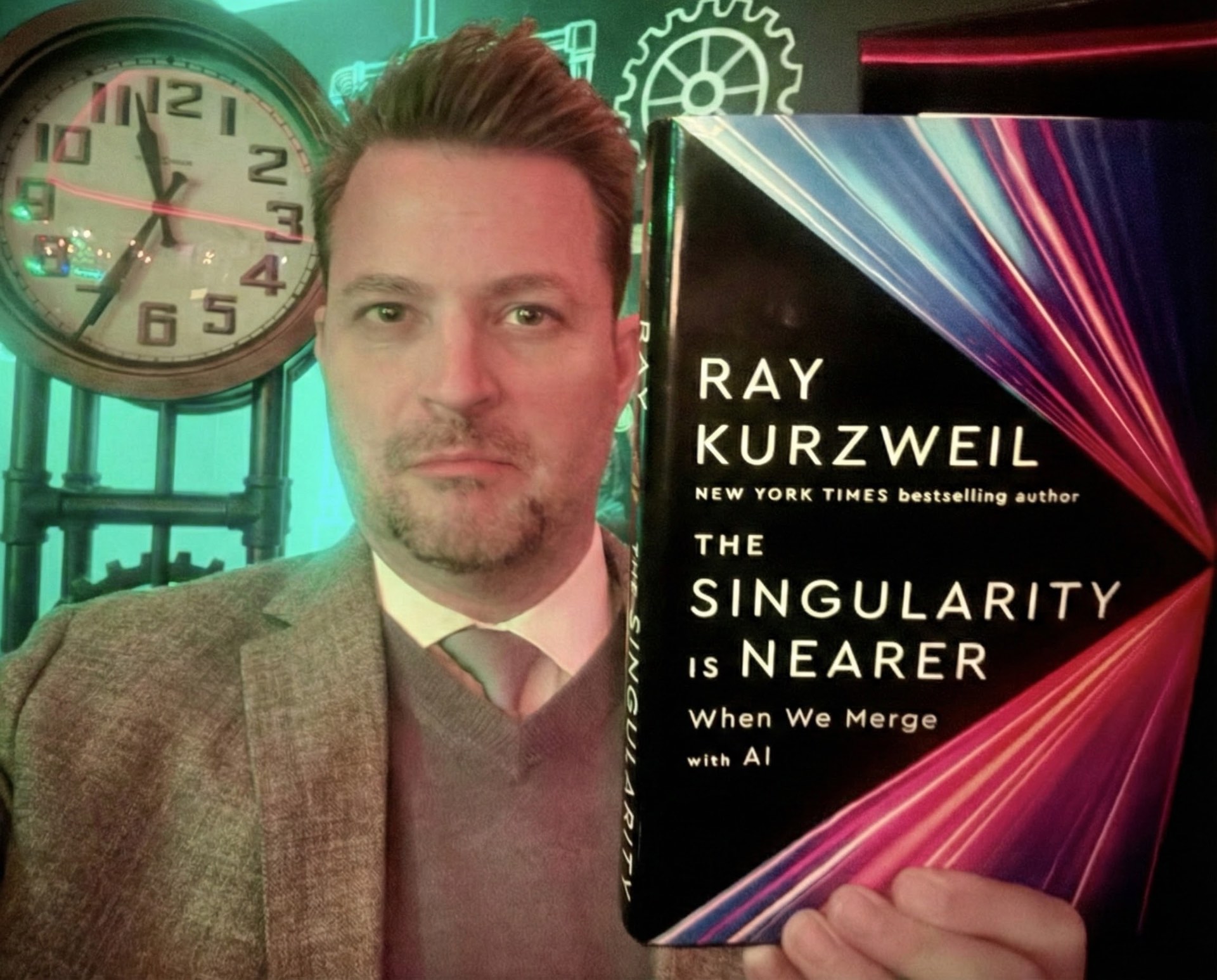
    Matt Mishak with The Singularity Is Nearer by Ray Kurzweil

    The Singularity Is Nearer

    by Ray Kurzweil

    Ray Kurzweil is not just a futurist — he's a prophet of exponential change. A student of Marvin Minsky, one of the founding minds behind the Dartmouth Conference, Kurzweil has been thinking about this moment longer than most institutions have been around.

    If you don't know Ray Kurzweil, you should. The Singularity Is Nearer makes one thing clear: the future isn't coming slowly — it's arriving all at once.

    Get the Book

    Praise from Visionaries

    "A fascinating exploration of our future, which raises the most profound philosophical questions."

    — Yuval Noah Harari

    Historian

    "Ray Kurzweil is the greatest oracle of our digital age. The Singularity Is Nearer is more than just a book—it's a survival guide for the technological renaissance we're about to experience."

    — Peter H. Diamandis, MD

    Futurist & Entrepreneur

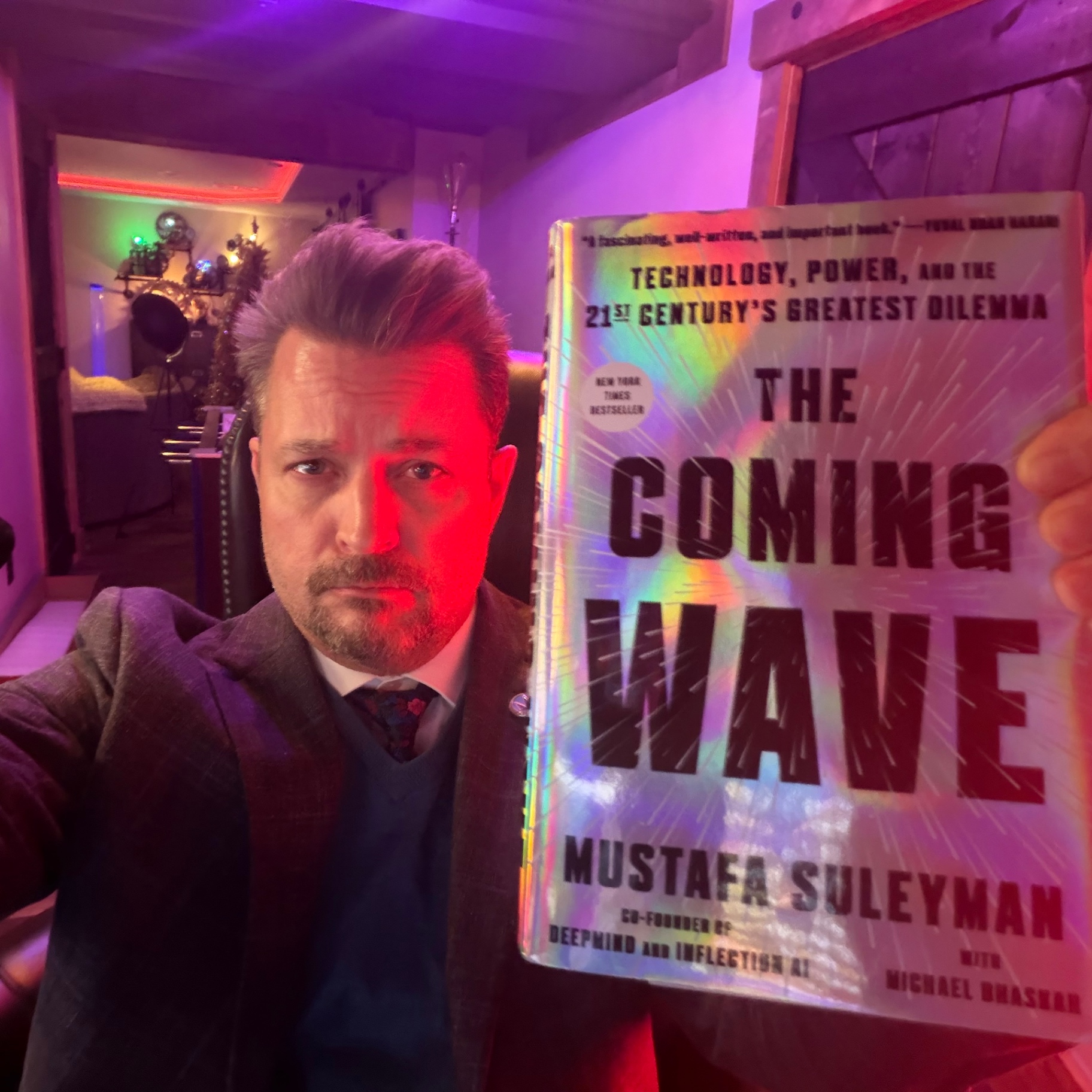
    Matt Mishak with The Coming Wave by Mustafa Suleyman

    The Coming Wave

    by Mustafa Suleyman & Michael Bhaskar

    This isn't a hype book about shiny tools. It's a sober, urgent examination of what happens when powerful technologies scale faster than our institutions, laws, and social norms. Suleyman's core message is simple but uncomfortable: the future is not something that merely happens to us. It requires participation.

    The coming wave of AI and biotechnology will not be safely "managed" by a small group of technologists or regulators alone. Containment, governance, and alignment demand broad engagement across professions, industries, and communities. Sitting on the sidelines is not a neutral position. Non-participation is still a choice, and usually a costly one.

    What makes this book especially relevant for LegalTek.ai is its insistence that responsibility must scale with capability. Lawyers, operators, founders, and leaders cannot outsource judgment to systems or defer hard questions to later. The work is now: designing guardrails, rethinking institutions, and choosing to engage rather than react. Participation is the point.

    Get the Book

    Praise from Visionaries

    "A fascinating, well-written, and important book."

    — Yuval Noah Harari

    Historian

    "One of the most important books of the year. Suleyman is one of the few people who truly understands both the promise and peril of AI."

    — Eric Schmidt

    Former CEO of Google

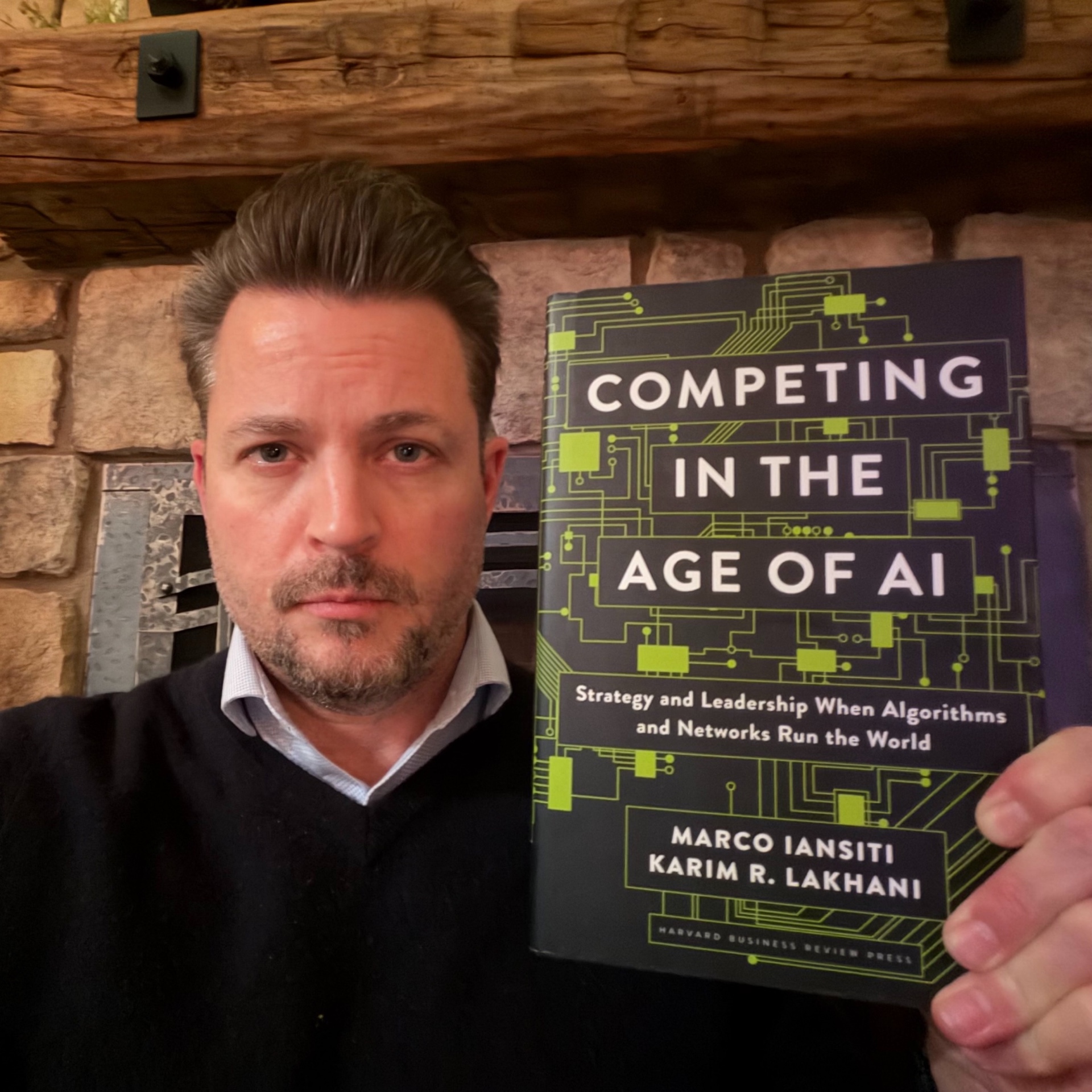
    Matt Mishak with Competing in the Age of AI by Marco Iansiti and Karim R. Lakhani

    Competing in the Age of AI

    by Marco Iansiti & Karim R. Lakhani

    Marco Iansiti and Karim R. Lakhani's Competing in the Age of AI is not a book about tools. It is a book about power, structure, and survival in an economy where software, data, and algorithms increasingly define competitive advantage. The central thesis is simple but unsettling: companies do not become AI-powered by sprinkling models on top of legacy processes. They must reorganize themselves around AI as a core operating logic.

    An AI-First organization treats data as infrastructure, not exhaust. Data lakes are not passive storage systems; they are living strategic assets continuously fed by operations, customers, and markets. The firms that win are those that design feedback loops where data improves models, models improve decisions, and decisions generate more data. This flywheel compounds faster than any traditional efficiency play.

    The book is particularly sharp on disruption. AI does not merely automate tasks; it collapses coordination costs. Entire layers of management, intermediaries, and professional gatekeepers become vulnerable when prediction and decision-making move closer to real time. This is why AI-driven firms tend to scale faster, operate with fewer humans per dollar of revenue, and exert outsized pressure on incumbents.

    Equally important is the authors' treatment of ethics and governance. AI systems embed values, whether intentionally or not. Bias, accountability, transparency, and trust are not compliance checkboxes; they are strategic concerns. Organizations that fail to govern AI responsibly risk regulatory backlash, reputational damage, and internal breakdowns of trust.

    Why this matters for LegalTek.ai: law, regulation, and professional services are precisely the kinds of industries ripe for AI-driven reconfiguration. Firms that treat AI as a bolt-on tool will fall behind. Firms that rethink workflows, data ownership, trust, and human judgment alongside AI will define the next era. If you are building, advising, regulating, or investing in the future of legal and professional services, this book belongs on your desk.

    Get the Book

    Praise from Visionaries

    "A compelling vision for how companies must transform to thrive in an AI-first world."

    — Satya Nadella

    CEO of Microsoft

    "Essential reading for any leader trying to understand how AI will reshape industries and competitive dynamics."

    — Reid Hoffman

    Co-founder of LinkedIn

    Matt Mishak with Nexus by Yuval Noah Harari

    Nexus

    by Yuval Noah Harari

    Nexus by Yuval Noah Harari is a foundational text for anyone trying to understand how information systems shape power, institutions, and human behavior—especially as we enter an AI-driven era. Harari reframes history not as a story of tools or even ideas, but as a story of networks: who controls information flows, how trust is manufactured, and how coordination scales.

    For LegalTek.ai, this book matters because law is itself an information network. Courts, statutes, contracts, evidence, compliance regimes, and now AI models are all nodes in a living system that governs behavior at scale. Harari makes one idea uncomfortably clear: technology does not just make systems faster—it reshapes who holds authority and how legitimacy is created.

    He explores how information networks drift toward concentration, how automated decision systems can harden power asymmetries, and how societies repeatedly mistake efficiency for wisdom. These themes map directly onto modern legal technology questions around AI-assisted decision-making, automated compliance, algorithmic evidence, and the risk of opaque systems replacing human judgment.

    Key insights: First, information systems always encode values—neutral tools do not exist. This reinforces the need for explicit governance, auditability, and human oversight in legal AI. Second, scale changes ethics—what works for a small network can become dangerous when automated and deployed broadly. Third, institutions lag technology—law historically reacts after power has already shifted.

    Nexus supports a core LegalTek.ai principle: AI in law must be human-centered, transparent, and institutionally aware. The future of legal technology is not about replacing lawyers—it is about redesigning legal systems so that intelligence, whether human or artificial, serves fairness, legitimacy, and trust at scale. Highly recommended for anyone building, regulating, or relying on AI-driven legal systems.

    Get the Book

    Praise from Visionaries

    "Harari has done it again. Nexus is a sweeping, thought-provoking exploration of how information has shaped human history—and how AI might reshape our future."

    — Bill Gates

    Co-founder of Microsoft

    "A masterful synthesis of history, technology, and human nature. Essential reading for understanding where we're headed."

    — Daniel Kahneman

    Nobel Laureate in Economics

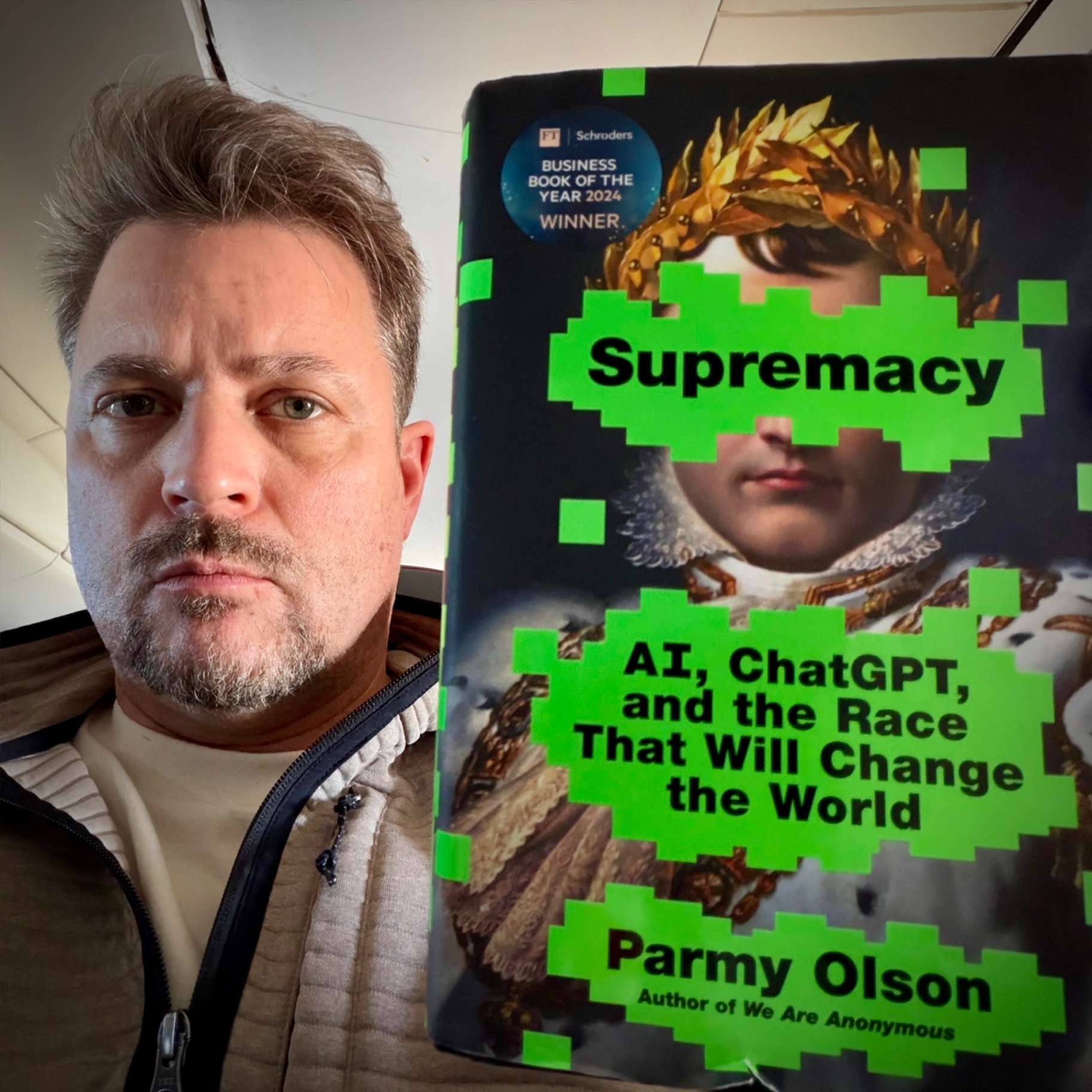
    Matt Mishak with Supremacy by Parmy Olson

    Supremacy

    by Parmy Olson

    Parmy Olson's Supremacy is the book I wish every lawyer, regulator, and founder would read before making their next move in AI. Winner of the Financial Times and Schroders Business Book of the Year 2024, this is not another breathless hype piece about what AI might do someday. It is a meticulously reported account of what has already happened — and what it means for power, competition, and control.

    Olson, a Bloomberg columnist and author of We Are Anonymous, brings a journalist's rigor and a storyteller's instinct to the AI arms race between OpenAI and Google DeepMind. She traces how a small number of researchers, executives, and investors are making decisions that will reshape every industry on earth — including law. The central tension is not technical; it is human: ambition versus caution, open research versus commercial secrecy, safety versus speed.

    What makes this book essential for LegalTek.ai readers is its unflinching examination of concentration risk. The foundation models that power legal AI products are controlled by a handful of companies. Olson documents how acquisitions, talent wars, and compute monopolies are narrowing the field in ways that should concern anyone building on top of these platforms. If you are a legal technology founder or an enterprise buyer evaluating AI vendors, this book provides the geopolitical and corporate context you cannot afford to ignore.

    Supremacy reinforces a core LegalTek.ai principle: understanding AI is not optional for legal professionals. The race for AI supremacy is not happening in a vacuum — it is reshaping the infrastructure of knowledge work itself. Lawyers who understand the forces Olson describes will be better positioned to advise clients, evaluate tools, and navigate the regulatory landscape that is still being written.

    Get the Book

    Praise from Visionaries

    "Astonishing... Olson has exclusive access to a network of high-level sources and she uses it to devastating effect."

    — Financial Times

    Business Book of the Year 2024

    "A deeply reported, utterly gripping account of the most consequential technology race of our time."

    — Tony Fadell

    Creator of the iPod, Author of Build

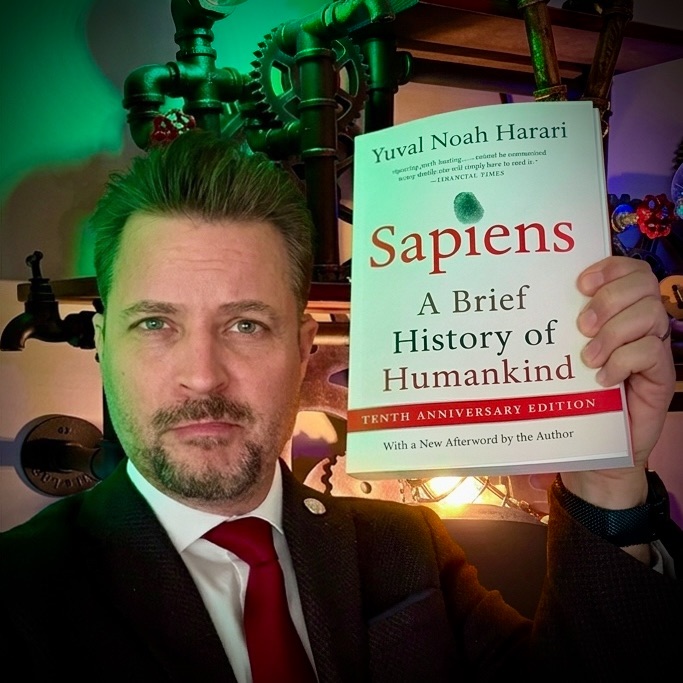
    Matt Mishak with Sapiens by Yuval Noah Harari

    Sapiens: A Brief History of Humankind

    by Yuval Noah Harari

    Sapiens is the book that rewired how I think about everything — law, technology, institutions, and human cooperation itself. Yuval Noah Harari doesn't just survey 70,000 years of human history; he dismantles the stories we tell ourselves about why civilization works. His central insight is deceptively simple: humans dominate the planet not because we are the smartest or strongest, but because we are the only species that can cooperate flexibly in large numbers — and we do it through shared fictions.

    For anyone in law or legal technology, this idea should hit like a thunderbolt. Laws, contracts, corporations, courts, constitutions — these are all shared fictions. They work because enough people believe in them. Harari forces you to see the scaffolding behind the systems we take for granted, and once you see it, you cannot unsee it.

    As AI begins to reshape how we create, interpret, and enforce these shared fictions, Sapiens becomes even more essential. If you want to understand where legal systems came from — and why they are so vulnerable to disruption — start here. This is the foundation that makes Nexus, The Coming Wave, and every other book on this list hit harder.

    Get the Book

    Praise from Visionaries

    "Interesting and provocative... It gives you a sense of how briefly we've been on this earth."

    — Barack Obama

    44th President of the United States

    "I would recommend this book to anyone interested in a fun, engaging look at early human history... You'll have a hard time putting it down."

    — Bill Gates

    Co-founder of Microsoft

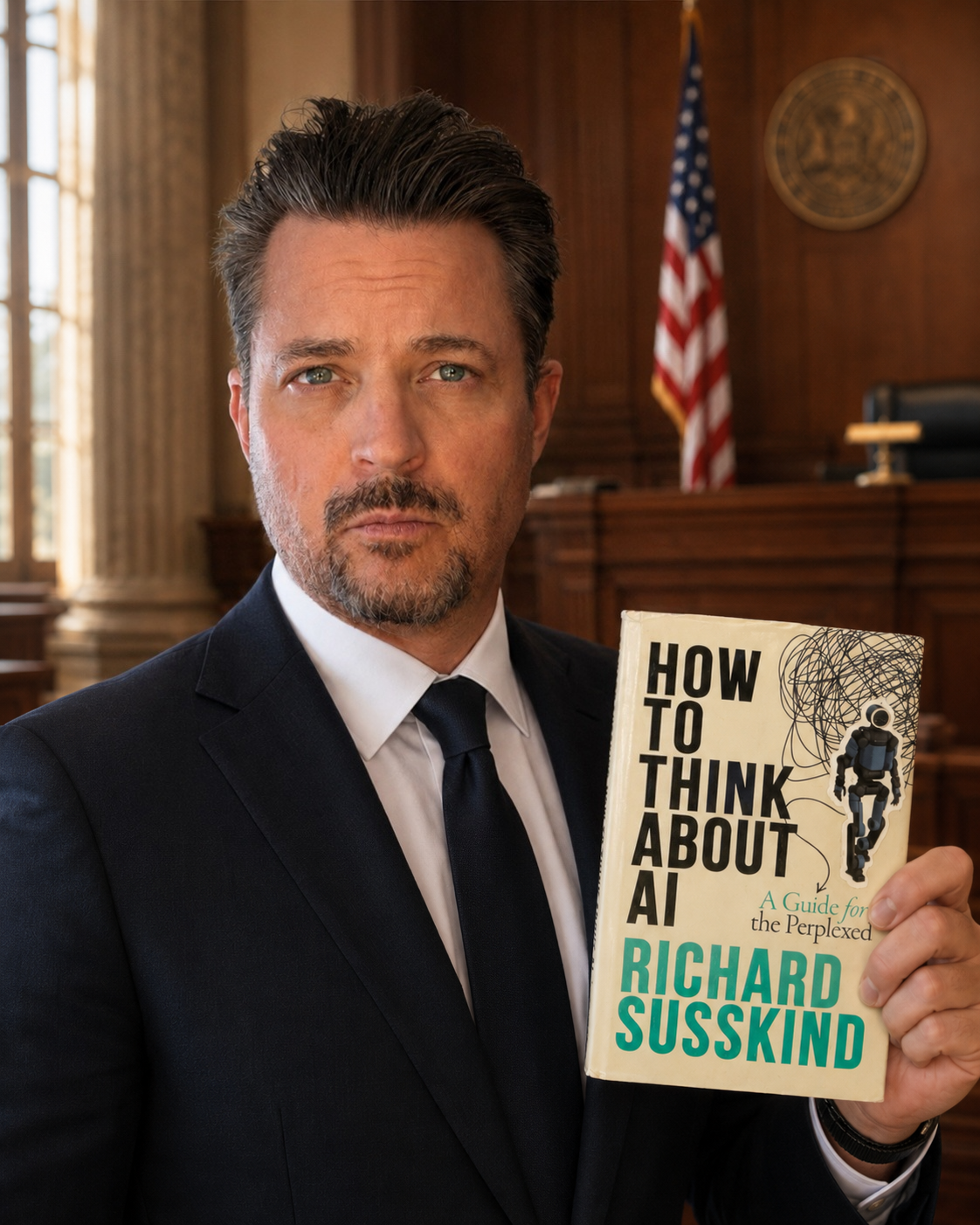
    Matt Mishak with How to Think About AI by Richard Susskind

    How to Think About AI: A Guide for the Perplexed

    by Richard Susskind

    Richard Susskind has spent four decades thinking about the future of professional work, and How to Think About AI is the distilled vocabulary every lawyer needs for the decade ahead. This is not a tactical book about prompts or tools — it is a structured way of thinking about what AI is, what it is becoming, and what it implies for the institutions that depend on human judgment.

    The chapter that most repays a careful read is Susskind's framing of the four long-run scenarios for the human–AI relationship: AI takeover, merger, peaceful coexistence, and shut-off. He treats each seriously, not as prediction but as the realistic shape of the possibility space. His argument is that any serious conversation about AI policy or professional practice has to hold all four open at once — and most public debate collapses prematurely into one.

    For Ohio attorneys orienting around the COUNSEL Framework, this book pairs naturally with ABA Formal Opinion 512 and the Ohio Supreme Court's AI Task Force Report. The opinions tell you what your duties are. Susskind helps you decide what you believe about where the technology is headed — and that belief shapes every governance and oversight choice that follows.

    Get the Book

    Praise from Visionaries

    "Susskind is the world's leading authority on the future of legal services and one of the most lucid writers on AI for non-specialists."

    — The Times (London)

    Review

    "An indispensable guide for anyone who wants to think clearly about what AI means for their work, their profession, and their life."

    — Daniel Susskind

    Author of A World Without Work